





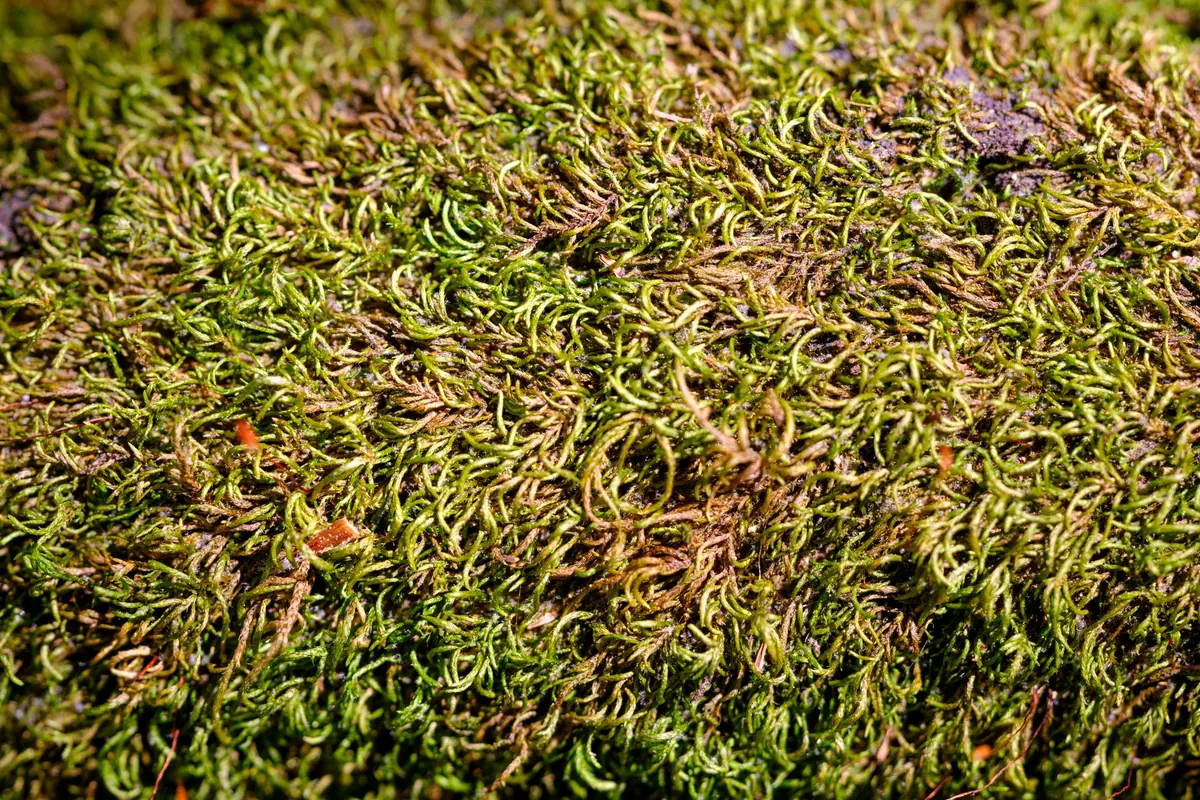
There is a corner of almost every UK garden where grass simply refuses to cooperate. It sits under a hedge, or behind a north-facing wall, or beneath a mature sycamore that drinks the light and drops leaves every autumn. You sow seed, it germinates, thins out, and dies within a season. The bare patches fill with bittercress and ground elder, and by the third spring you have given up. The awkward truth is that the site is doing perfectly well. It just is not a lawn site. It is a moss site.
Why moss wins where grass loses
Grass wants light, drainage and a steady supply of nutrients. Moss wants almost the opposite: shade, reliable moisture and low fertility. Where those conditions exist, moss will arrive on its own, without any help from you. Working with it rather than against it removes mowing, feeding, watering and reseeding from your calendar at a stroke.
There are other advantages. Moss holds its colour through mild winters when grass turns straw-brown and dormant. It knits itself over tree roots, stones and uneven ground where no mower could safely go. It softens the ground underfoot, muffles sound, and asks for nothing in the way of petrol or clippings.
What it will not do is take punishment. A moss lawn is not a football pitch or a dog track. For a shady border, a path under trees, a courtyard, or the strip you cross to reach the shed, it is close to ideal.
Read the site before you start
Spend a fortnight watching the spot rather than reaching for a spade. Four things matter.
Light
Deep shade, dappled shade and a couple of hours of early morning sun all suit moss. If the area takes more than two or three hours of strong midday sun in summer, moss will crisp at the edges and grass is probably the better bet.
Moisture
Damp is good; permanently waterlogged is not. Moss copes with wet soil, but standing water through winter encourages algae, liverworts and a slick, slippery surface.
Traffic
Moderate footfall is fine, particularly when the moss is damp and springy. Constant heavy use in dry weather crumbles it, and bare patches take a long time to close over.
Soil
Moss prefers acidic to neutral, nutrient-poor ground. If the area has been fed and limed for years, expect the transition to take longer and expect grass and weeds to keep pushing through.
Choosing moss that suits a UK garden
Several native species work well, and mixing them gives a more resilient surface.
- Rhytidiadelphus squarrosus (springy turf moss): the fine, feathery moss that creeps into neglected lawns. Excellent for walking on.
- Hypnum cupressiforme: flatter and neat, tolerant of drier shade once it is established.
- Thuidium tamariscinum: fern-like and handsome in dappled shade, though slower to spread.
- Polytrichum commune (haircap): taller and more upright, better for larger informal areas than for a tidy path.
- Sphagnum species: only for genuinely boggy ground, where they will drink up standing water.
On sourcing: never lift moss from woodland, a nature reserve or anyone else's land. It is illegal on many sites and slow to recover. Take small patches from elsewhere in your own garden, ask a neighbour with a damp lawn, or buy from a specialist supplier. Keep collected moss in the shade and damp until it goes down, and it will barely notice the move.
Preparing the ground
Moss has no true roots, only fine threads that anchor it to the surface, so the aim is a firm, level, clean seedbed rather than a deep, rich one.
- Cut the existing grass as short as the mower will go, then remove it. A turf cutter makes light work of it; a spade and a strong back will do. Alternatively, smother the area under cardboard weighted with soil or black polythene for two or three months, ideally over autumn and winter.
- Rake out dead grass, thatch, twigs and stones. This is dull work and it matters more than anything else you will do.
- Fill hollows with sieved topsoil and firm them with your feet or a board. A bumpy surface means a bumpy moss lawn.
- Dig out perennial weeds by hand: docks, dandelions, buttercups and ground elder will all push through moss given half a chance.
- Do not add compost, manure or fertiliser. Fertility encourages exactly the plants you are trying to replace, and moss will lose the battle.
Three ways to get moss established
Natural colonisation. Clear the grass, keep the surface bare and damp, and wait. Moss will find it, usually within a year or two. It costs nothing and requires patience. Rake off fallen leaves and water during dry spells to speed things up.
Transplanting fragments. Lift small pieces of moss, press them onto damp bare soil at 15 to 30cm intervals, and firm them down so they make good contact. Keep the ground moist for the first few weeks. Autumn and early spring are the best times, when the air is cool and the soil stays wet. This is the most reliable method.
A slurry. Blend a handful of clean moss with about 500ml of water, plus a spoonful of natural yoghurt if you like, though the yoghurt is traditional rather than essential. Paint or pour the mixture onto damp soil, stone or brick, and keep it shaded and misted. This covers a large area cheaply but is slower and less dependable than plugs.
Whichever route you take, the rule is the same: keep it damp, keep it out of strong sun, and keep it clean.
Looking after a moss lawn
- Water in dry spells. Moss takes water through its leaves, so a gentle sprinkle or mist is better than a flood. The first summer matters most.
- Never feed it. No lawn fertiliser, no lime, no compost tea. Feeding brings grass and weeds.
- Keep leaves off. This is the single most important job. A layer of autumn leaves or grass clippings will smother moss and kill it. Use a springy rake or a leaf blower on its lowest setting.
- Skip the chemicals. No weedkiller, no moss killer, no iron sulphate. Deal with intruders by hand.
- Top-dress hollows with sieved soil or sharp sand in autumn to keep the surface level.
- Trim the edges with shears, and cut out any grass that creeps in before it spreads.
- Stay off it when the ground is frozen or bone dry.
Give it a year or two
Moss is slow, and a moss lawn is a patient project. Expect twelve months before it looks intentional and two or three years before it knits into a continuous carpet. Once it does, it improves with age and asks almost nothing of you: no mowing, no feeding, no reseeding. Start with a small area in the dampest, shadiest corner of the garden, learn how it behaves through a full year, and expand from there. The patch of ground that has beaten you for years may turn out to be the easiest part of the garden to look after.
Photo: Engin Akyurt / Pexels